





Popular Now

ELDEN RING is not a traditional open-world RPG. Instead of guiding players with quest markers and forgiving combat, the game challenges them to explore freely, learn through failure, and master a demanding combat system where every decision matters.
Victory in ELDEN RING is not achieved through level grinding alone, but through understanding enemy patterns, stamina management, build optimization, and mental discipline. Players who rush blindly are punished, while those who observe, adapt, and prepare are rewarded.
This comprehensive Tips & Guides article is designed to help players progress from overwhelmed Tarnished struggling against early bosses into confident warriors capable of conquering late-game areas and defeating demigods. Organized by gameplay progression, this guide covers combat fundamentals, build planning, exploration strategy, resource management, and endgame optimization. Whether you play melee, magic, or hybrid builds, this guide will help you survive and master the Lands Between.
H2 1. Understanding ELDEN RING’s Core Combat Philosophy
At its core, ELDEN RING is a game about patience and precision. Unlike hack-and-slash RPGs, every attack, dodge, and heal carries risk.
Combat rewards players who wait for openings instead of forcing aggression.
H3 Core Combat Rules
- Stamina management determines survival
- Dodging is often better than blocking
- Greed leads to death
H4 Why This Matters
Players who spam attacks or panic-roll are easily punished. Controlled decision-making wins fights consistently.
H2 2. Early Game Survival and Exploration Priorities
The early game is designed to test awareness, not strength. Many early enemies are optional and meant to be avoided initially.
Exploration provides tools that are often more valuable than levels.
H3 Early Game Tips
- Avoid bosses you cannot handle yet
- Unlock Sites of Grace strategically
- Collect upgrade materials early
H4 Early Game Goal
Build knowledge and resources before seeking major confrontations.
H2 3. Stamina, Positioning, and Movement Mastery
Movement is the foundation of combat. Proper spacing and stamina control are more important than raw damage.
H3 Movement Fundamentals
- Always keep stamina in reserve
- Dodge into attacks when appropriate
- Control camera and lock-on usage
H4 Practice Recommendation
Fight smaller enemies deliberately to practice timing before facing bosses.
H2 4. Weapon Classes, Scaling, and Build Direction
ELDEN RING offers immense build variety. Choosing a clear build direction early improves efficiency.
H3 Common Build Archetypes
- Strength builds for high damage and poise
- Dexterity builds for speed and precision
- Intelligence and Faith builds for spellcasting
H4 Build Flexibility
Avoid spreading stats too thin. Specialization leads to stronger mid-game performance.
H2 5. Dodging, Blocking, and Counterattacks
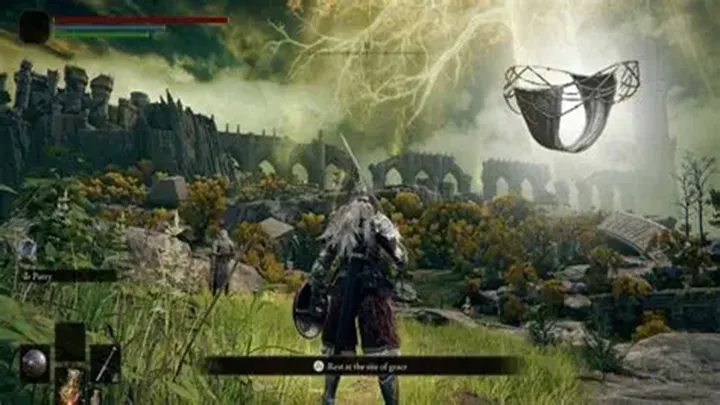
Understanding defensive options is essential. Each has strengths and weaknesses depending on enemy type.
H3 Defensive Mechanics
- Dodge rolls for invulnerability frames
- Shields for stability and guard counters
- Parry for high-risk, high-reward play
H4 Combat Discipline
Choose defense based on the situation, not habit.
H2 6. Ashes of War and Skill Customization
Ashes of War define playstyle and combat rhythm. Proper usage can dramatically change weapon effectiveness.
H3 Ashes of War Tips
- Match Ashes with weapon scaling
- Experiment before committing upgrades
- Adapt skills for different encounters
H4 Skill Management
Do not rely on skills alone. Fundamentals still matter.
H2 7. Resource Management: Runes, Flask, and Upgrades
Runes are both currency and experience. Poor management results in lost progress.
H3 Resource Priorities
- Upgrade weapons before leveling excessively
- Balance HP, stamina, and damage stats
- Allocate flasks based on build
H4 Common Mistake
Many players overlevel without upgrading weapons, resulting in weak damage output.
H2 8. Mid-Game Progression and Area Selection
Mid-game ELDEN RING opens significantly. Choosing appropriate areas prevents unnecessary frustration.
H3 Mid-Game Best Practices
- Explore multiple regions
- Upgrade gear consistently
- Skip overly punishing zones temporarily
H4 Progression Awareness
If enemies feel unfair, you are likely underprepared.
H2 9. Boss Strategy and Mental Approach
Boss fights test pattern recognition and composure. Panic is the greatest enemy.
H3 Boss Fight Fundamentals
- Learn attack patterns first
- Limit healing greed
- Use summons strategically
H4 Mental Discipline
Deaths are part of learning. Improvement comes from observation, not frustration.
H2 10. Late-Game Optimization and Mastery
Late-game ELDEN RING demands refined builds and precise execution. Mistakes are punished instantly.
H3 Late-Game Focus Areas
- Maximize weapon scaling
- Optimize talismans
- Refine dodge timing
H4 Winning Mindset
Confidence comes from preparation and experience, not brute force.

ELDEN RING is a journey of mastery, where patience, discipline, and understanding define success. By learning its combat philosophy, planning builds intelligently, managing resources wisely, and approaching challenges deliberately, players can overcome even the most brutal encounters.
Progress in ELDEN RING is earned through perseverance—but the reward is one of the deepest and most satisfying action RPG experiences ever created.
Rise, Tarnished, and claim your place in the Lands Between.