

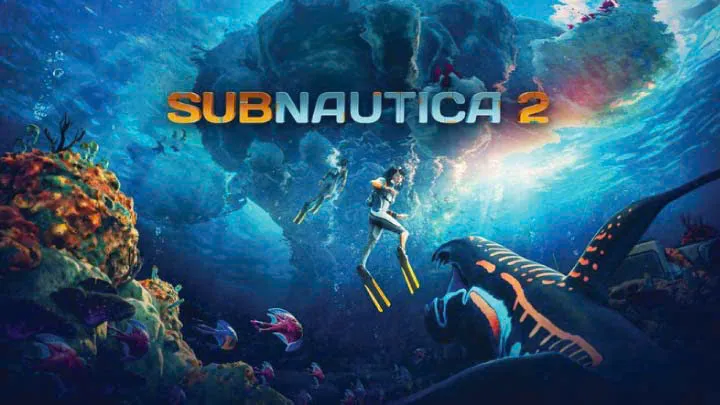



Subnautica 2 is not just a survival game—it is a psychological survival experience built around isolation, exploration, and environmental adaptation. Unlike traditional crafting games where combat dominates progression, Subnautica 2 rewards preparation, observation, and long-term planning. The deeper you travel into the alien ocean, the more dangerous and unpredictable the world becomes.
Most new players fail because they treat survival as a short-term problem. They focus only on food, oxygen, and immediate crafting needs while ignoring the systems that support long-term progression. Experienced players understand that survival in Subnautica 2 is about building sustainable infrastructure, controlling exploration risk, and mastering biome navigation.
This guide focuses deeply on one advanced topic: how to optimize survival progression from early exploration to deep-ocean endgame operations. Instead of general beginner advice, this article breaks down high-level strategies for efficient resource collection, vehicle management, deep biome preparation, and advanced survival planning.
Understanding the Core Survival Loop
The survival loop in Subnautica 2 revolves around four connected systems:
- Oxygen management
- Resource gathering
- Exploration expansion
- Infrastructure growth
Players who fail usually over-focus on one system while neglecting the others. For example, collecting large amounts of resources without improving storage and mobility quickly creates inefficiency.
The key is balance. Every exploration trip should improve your long-term survival capabilities rather than simply solving immediate problems.
Core Principles
- Expand sustainably, not rapidly
- Preparation matters more than speed
- Information reduces risk
- Every biome requires adaptation
Early Game Priorities: Stabilizing Survival
The opening hours are critical because resources are limited and inventory space is small. Many players waste valuable time crafting unnecessary tools or exploring dangerous areas too early.
Your first objective is not exploration—it is stability.
Early Survival Goals
- Secure reliable food and water
- Build oxygen support tools
- Establish temporary storage
- Learn nearby biome layouts
Important Beginner Mistakes
- Exploring too deep too early
- Ignoring beacon placement
- Carrying unnecessary items
Efficient early-game progression creates momentum that makes later stages significantly easier.
Resource Management and Inventory Efficiency
Inventory management becomes one of the most important advanced skills in Subnautica 2. Long exploration runs require careful prioritization because storage space is always limited.
Experienced players divide resources into categories:
- Essential survival materials
- Crafting progression materials
- Rare biome-specific resources
High-Priority Resources
- Titanium
- Copper
- Quartz
- Silver
- Battery materials
Inventory Optimization Tips
- Carry only mission-specific tools
- Use storage modules early
- Drop low-value materials during deep runs
Advanced Rule
Never begin a long-distance expedition without extra power and emergency oxygen solutions.
Base Building Strategy: Expanding With Purpose
A common mistake is building massive bases too early. Large bases consume resources, power, and maintenance time.
Efficient players treat bases as functional infrastructure rather than decoration.
Primary Base Functions
- Resource storage
- Crafting access
- Vehicle charging
- Safe oxygen zones
Best Early Base Locations
- Central biome access
- Nearby basic resources
- Safe predator distance
Advanced Expansion Strategy
Build multiple specialized outposts instead of one oversized base.
This dramatically reduces travel time during late-game exploration.
Oxygen and Depth Management
Depth progression is one of the defining mechanics of Subnautica 2. The deeper you go, the more pressure, danger, and navigation complexity increase.
Most deaths happen because players underestimate oxygen management.
Oxygen Control Principles
- Always know your nearest air source
- Monitor vertical distance carefully
- Avoid panic swimming
Essential Upgrades
- High-capacity oxygen tanks
- Seamoth or equivalent vehicles
- Emergency oxygen tools
Deep Dive Rule
If your oxygen reaches 50%, your expedition should already be turning back unless you have guaranteed backup air.
Vehicle Optimization and Maintenance
Vehicles transform exploration, but they also create new risks. Losing a vehicle deep underwater can end an entire progression run.
Advanced players use vehicles strategically rather than recklessly.
Vehicle Priorities
- Mobility
- Storage
- Survival support
- Depth access
Common Vehicle Mistakes
- Ignoring repair tools
- Entering unknown biomes unprepared
- Parking near aggressive fauna
Advanced Exploration Tactic
Always park vehicles near terrain cover instead of open water.
This reduces predator detection and increases escape potential.
Biome Navigation and Threat Recognition
Every biome in Subnautica 2 has unique dangers, resource types, and environmental hazards.
Learning biome behavior is essential for survival.
Safe Exploration Method
- Scout biome edges first
- Identify predator sounds
- Locate escape routes
- Mark important locations with beacons
Threat Categories
Environmental Threats
- Extreme depth
- Heat zones
- Toxic areas
Biological Threats
- Territorial predators
- Ambush creatures
- Swarm attackers
Advanced Observation
Sound is often more important than visuals. Many predators can be detected before they are seen.
Mid-Game Progression: Transitioning Into Deep Exploration
The mid-game is where survival shifts from local exploration to large-scale expeditions.
This stage requires:
- Better infrastructure
- Advanced crafting
- Reliable transportation
- Energy independence
Mid-Game Priorities
- Upgrade vehicle depth modules
- Build advanced power systems
- Establish secondary bases
Energy Optimization
Power shortages become increasingly dangerous during long expeditions.
Best energy systems include:
- Thermal power
- Solar networks in safe zones
- Backup batteries
Advanced Resource Farming and Efficiency
Late-game crafting requires rare materials often located in dangerous environments.
Efficient farming is about reducing exposure time.
Farming Principles
- Gather resources in planned routes
- Avoid unnecessary combat or distractions
- Store materials in biome-specific outposts
Resource Expedition Checklist
- Repair tool
- Backup batteries
- Beacon markers
- Extra food and water
Advanced Tip
Farm rare materials in bulk instead of repeatedly revisiting dangerous biomes.
This significantly lowers long-term risk.
Psychological Survival and Fear Management
Subnautica 2 uses isolation and deep-ocean fear as gameplay mechanics. Panic causes poor decisions more often than predators do.
Many players:
- Rush movement under stress
- Lose navigation awareness
- Waste oxygen during panic escapes
Fear Control Techniques
- Move slowly in unknown areas
- Pause to observe before descending
- Memorize safe retreat paths
Mental Discipline
Treat every expedition as a controlled operation, not an adventure.
Calm players survive longer because they conserve resources and avoid impulsive mistakes.
Endgame Exploration and Full Progression Optimization
Late-game exploration combines every system you have learned:
- Navigation
- Resource planning
- Vehicle management
- Threat assessment
At this stage, efficiency becomes more important than survival itself.
Endgame Objectives
- Maximize deep-biome mobility
- Maintain multiple operational outposts
- Secure stable resource supply chains
Completion Strategy
- Revisit old biomes with upgraded equipment
- Search hidden cave systems thoroughly
- Scan everything possible for crafting advantages
Final Optimization Rule
Preparation saves more time than speed.
Players who spend extra minutes preparing often save hours of recovery after failed expeditions.
Conclusion
Mastering Subnautica 2 requires more than survival instincts. It demands strategic planning, environmental awareness, and disciplined progression. The ocean rewards players who think ahead, manage resources efficiently, and respect the dangers of deep exploration. By mastering oxygen control, biome navigation, vehicle management, and infrastructure planning, you transform survival from a desperate struggle into a controlled and efficient system. The deeper you go, the more preparation matters—and the players who survive longest are the ones who understand that patience is the ultimate survival tool.