

Introduction
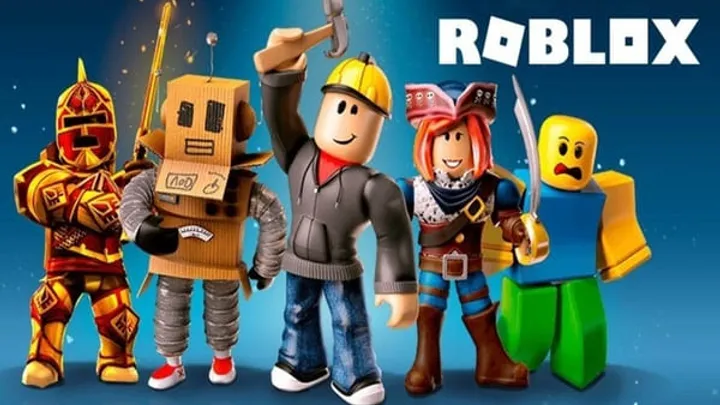
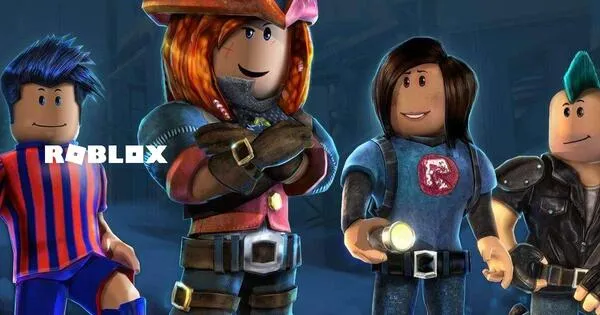
Roblox is not just one game. It is a platform where millions of player-made experiences compete for attention, time, and repeat visits. That is what makes creating a Roblox game exciting, but it is also what makes success difficult. A strong idea alone is not enough. The games that grow are usually the ones that solve a very specific problem: they give players a reason to join, stay, return, and tell other people about the experience.
This article focuses on a practical “how to” topic: how to build a Roblox game that can actually survive in a crowded platform. Instead of general advice, it follows the full process step by step, from planning and building to testing, launching, and improving after release. The goal is to show how a creator can move from a simple concept to a live game with structure, polish, and a real chance of retaining players.
How to Choose the Right Game Idea
The first mistake many Roblox creators make is trying to build something too large, too broad, or too similar to everything else already on the platform. A better approach is to start with a clear player promise. Ask what the game is supposed to make someone feel, do, or repeat. Is it about speed, collecting, roleplay, competition, survival, mystery, or social interaction? A focused idea is easier to build and much easier for players to understand.
Strong Roblox games usually center on one memorable loop. For example, the loop might be “enter, earn, upgrade, and unlock the next area,” or “join, compete, win, and improve your loadout.” When the core loop is easy to explain, testing becomes simpler and player feedback becomes more useful. The game does not need every feature at the start. It needs one good reason to be played.
How to Test Whether the Idea Is Worth Building
Before writing a full line of code, try describing the game in one sentence. If that sentence sounds confusing, the idea may be too complicated. If the sentence sounds too familiar, the game may need a stronger twist. A useful idea should be simple enough to explain quickly, but specific enough to stand out.
It also helps to think about who the game is for. Younger players often enjoy clear rewards and easy progress, while older players may want more skill, strategy, or creativity. The best ideas are not just fun in theory; they are also practical for the audience you want to attract.
How to Design a Strong Core Loop
Once the idea is chosen, the next step is building the core loop. In Roblox, the core loop is the repeated action that gives the game momentum. Players should always know what to do next, even if they are still learning. Without a strong loop, the game may feel empty after a few minutes.
A good loop has three parts: action, reward, and progression. A player does something, receives feedback, and then becomes stronger, richer, faster, or more capable. This cycle keeps the experience moving. If any part of the loop is weak, players may leave before they reach the interesting part of the game.
Examples of Effective Loops
A farming game might use planting, harvesting, upgrading, and expanding. A combat game might use fighting, earning currency, unlocking weapons, and entering harder zones. A simulator might use clicking, collecting, improving output, and rebirthing. The exact theme does not matter as much as the consistency of the loop.
The loop should also become better over time. Early progress should feel quick so new players are not bored, but later progress should introduce new goals so the game does not become repetitive. The player should always feel that one more session will unlock something meaningful.
How to Build a Playable Prototype First
Many creators waste time designing menus, cosmetics, or large maps before proving that the game is fun. A better method is to build a prototype as fast as possible. The prototype only needs the essential mechanics. It does not need beautiful lighting, advanced animations, or a full economy system.
The reason for this is simple: the earliest version of the game should answer one question, and that question is whether the loop feels good. If the game is not satisfying in its rough form, adding polish will not fix the problem. A playable prototype helps reveal what is missing before too much time is spent on details.
Prototype Checklist
- One clear objective
- One working reward system
- One basic UI display
- One movement or combat test area
- One simple failure or retry condition
At this stage, the game should be ugly if necessary, but functional. It is better to learn early that something is not working than to discover it after weeks of polishing the wrong system.
How to Make the First Five Minutes Fun
On Roblox, first impressions matter enormously. Players usually decide very quickly whether they want to stay or leave. That means the opening moments of the game must be clear, fast, and rewarding. A confusing start can destroy retention even if the rest of the game is strong.
The first five minutes should teach players how the game works without making them feel lost. Spawn points, tutorials, and early rewards should guide them naturally. The goal is not to overwhelm them with instructions, but to make progress obvious enough that they keep moving forward.
How to Improve Early Retention
Start with small, easy wins. Give players something to collect, defeat, build, or upgrade almost immediately. Early success creates trust. When players believe the game will reward their time, they are more likely to continue.
It also helps to remove friction. Long intros, too many pop-ups, and complicated menus can make the game feel slower than it really is. The best onboarding experiences teach by doing. Players should learn while playing, not by reading a wall of text.
How to Create Progression That Feels Worth It
Progression is what turns a short visit into a long-term habit. In Roblox, players often stay because they want to reach the next tool, zone, title, pet, rank, or ability. If progression feels slow, random, or meaningless, the game will lose momentum. If it feels steady and visible, players are more likely to return.
The best progression systems do not just increase numbers. They also change the experience. New areas, stronger enemies, special effects, or additional mechanics make players feel that their effort matters. The reward should be more than a stat increase; it should be a new way to play.
How to Avoid Bad Progression Design
One common mistake is making progression too grindy too early. If players need too much time for tiny rewards, they may assume the entire game is built around waiting. Another mistake is giving rewards that do not affect gameplay in a noticeable way. A reward should feel like a real upgrade, not a decorative label.
Good progression has rhythm. Early rewards come quickly, middle rewards require commitment, and late rewards feel special. That balance keeps players interested across different session lengths.
How to Design a UI That Players Actually Understand
Roblox games often fail not because the mechanics are bad, but because the interface is hard to read. Players need to understand what they own, what they need, and what they should do next. If the UI is cluttered or unclear, even a fun game can feel confusing.
A strong UI gives players confidence. Currency should be visible, objectives should be obvious, and buttons should not compete with each other. The visual layout should support fast decision-making. The less time a player spends wondering where to click, the more time they spend actually playing.
UI Priorities
- Show currency clearly
- Keep the main objective visible
- Use simple icons and readable text
- Avoid overlapping panels
- Make upgrade paths easy to compare
It is usually better to have a clean, simple interface than a flashy one that hides important information. Clarity builds trust, and trust keeps players from getting frustrated.
How to Add Social Features Without Losing Focus
One of Roblox’s biggest strengths is social play. Players enjoy joining with friends, comparing progress, showing off items, and competing in shared spaces. Adding social features can greatly improve retention, but only if they support the main game rather than distracting from it.
Useful social features include party systems, leaderboards, trading, cooperative objectives, and emotes. These systems give players reasons to talk and return. However, they must be balanced carefully. If social systems are too dominant, the game may become messy or unfair for solo players.
How to Keep Social Play Healthy
Make sure the game still works well for a single player. A good Roblox game should feel enjoyable whether someone is alone or with friends. Social features should add energy, not create dependency. That way, the experience remains accessible to a wider audience.
Small moments often matter most. A reward screen, celebration animation, or shared win can create stronger memories than a large feature list. Players usually remember how a game made them feel, especially when they experienced it with other people.
How to Test, Fix, and Improve the Game Before Release
Testing is where many promising Roblox projects improve or fail. A game that feels good to the creator may still confuse outside players. That is why testing with fresh eyes is essential. Observing real players can reveal issues that are invisible during solo development.
During testing, pay attention to where players pause, get lost, or stop caring. These moments are often more valuable than direct opinions, because behavior usually tells the truth faster than feedback does. If several testers ignore the same feature, that feature may need simplification or better communication.
How to Use Feedback Well
Not all feedback should be treated equally. Some players will ask for features that only help them personally. Others may suggest changes that would damage the game’s structure. The most useful feedback is usually about clarity, pacing, difficulty, and frustration points.
Fix the issues that block enjoyment first. Cosmetic improvements matter later. A game that works smoothly will always benefit more from testing than one that only looks polished.
How to Launch Without Wasting the First Day
The launch phase is often the most important moment in a Roblox game’s life. Early traffic, thumbnails, titles, and first-session retention all matter. A weak launch can hide a good game. A strong launch can give the game enough visibility to begin building momentum.
Before release, the game should already have enough content to feel complete. Players should not arrive and feel like they are testing a demo unless that is the actual goal. The title, icon, and thumbnail should accurately represent the experience so expectations match reality.
Launch Essentials
- Clear title and thumbnail
- Stable first session
- Working save system
- Basic economy balance
- At least one replay reason
On launch day, the job is not finished. The goal is to collect data, watch player behavior, and notice where the game loses attention. The first version of a live game is really the beginning of long-term improvement.
How to Keep Updating the Game So Players Return
Long-term success on Roblox depends on updates. Players return when they believe the game is alive. That does not mean every update needs to be huge. Even small changes, when they are frequent and meaningful, can keep the community active.
Good updates may add new areas, new items, balance adjustments, seasonal events, or quality-of-life improvements. The key is to keep the game’s core loop fresh without losing its identity. Updates should expand the experience, not confuse it.
How to Plan Future Growth
Create a roadmap that includes both content and improvement. New features attract attention, but fixes and polish build trust. The strongest Roblox games tend to grow in layers, with each update making the experience feel larger, smoother, and more rewarding.
It is also smart to watch which features players use most. Analytics, comments, and community behavior can reveal what deserves more development. A game grows best when updates are based on real player habits instead of guesses.
Conclusion
Building a successful Roblox game is less about having a huge idea and more about executing a focused one well. A strong concept, a clear core loop, a playable prototype, a friendly onboarding flow, and a rewarding progression system all work together to create something that players will actually return to. From there, clear UI, social features, testing, launch planning, and regular updates help the game survive in a crowded platform.
The creators who succeed on Roblox usually think in systems. They understand that players stay when the game is easy to enter, satisfying to play, and worth revisiting. A good Roblox game does not need to do everything. It needs to do one thing well, then keep improving that experience over time.