Gorilla Tag News Deep Dive: The Evolution of Competitive VR Movement and the Game’s Expanding Community Ecosystem
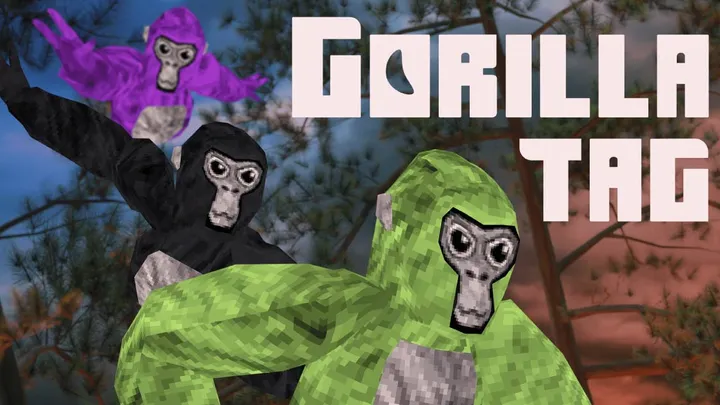
Since its early release, Gorilla Tag has grown from a simple experimental VR locomotion project into one of the most recognizable multiplayer titles in virtual reality. Unlike traditional VR games that rely on joystick movement, Gorilla Tag introduced a unique arm-based locomotion system where players move by physically pushing themselves through the environment. This simple yet innovative mechanic helped the game build a massive community across VR platforms.
In recent years, one of the biggest news issues surrounding Gorilla Tag has been the rapid expansion of its competitive scene, community events, and official content updates that continue to shape the game's future. What began as casual multiplayer tag sessions has evolved into a structured community ecosystem including competitive leagues, seasonal updates, custom maps, and developer-supported events.
This article explores the latest developments affecting Gorilla Tag’s growth and long-term direction. Organized chronologically and thematically, it analyzes how the game’s competitive culture emerged, how the developers continue to expand the game’s content, and why these changes are redefining what a social VR game can become.
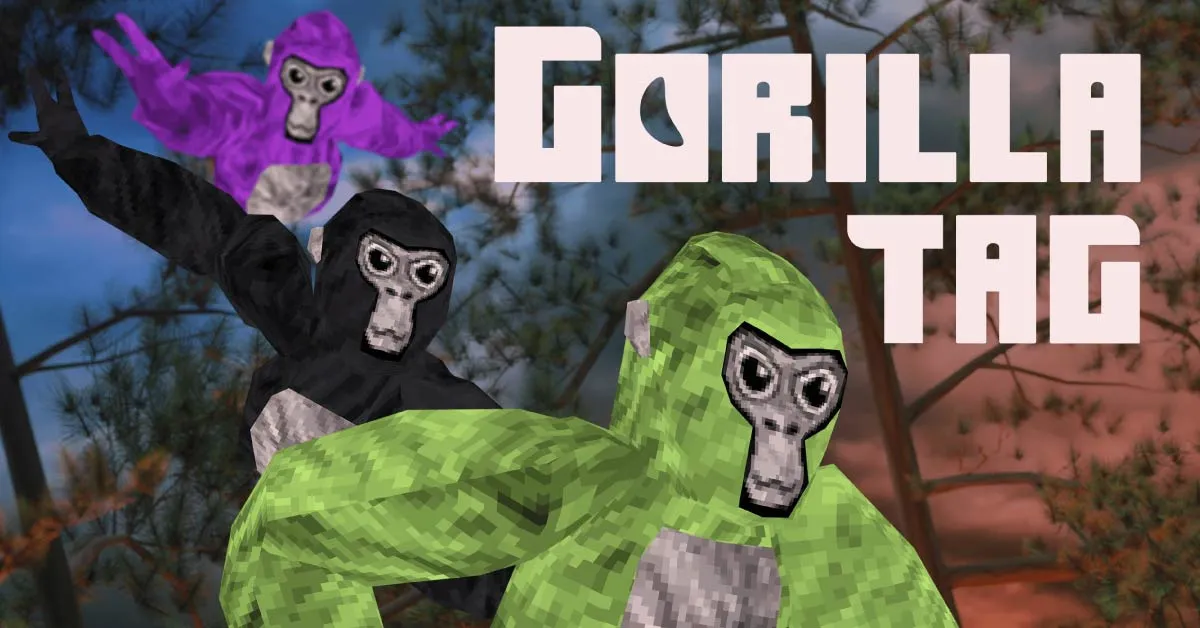
The Early Growth of Gorilla Tag and Its Viral Popularity
When Gorilla Tag first appeared in VR communities, it quickly became popular due to its simplicity and physical movement system. Players could join matches instantly, learn basic mechanics quickly, and enjoy chaotic but entertaining gameplay sessions.
The early versions of the game featured only a small number of maps and minimal customization options. However, the simplicity of the design helped it spread rapidly among VR players.
Why Gorilla Tag went viral
Several factors contributed to the game’s sudden popularity:
• Easy-to-understand gameplay mechanics
• Physical movement that felt natural in VR
• Social multiplayer interactions
These elements made Gorilla Tag especially appealing for players who wanted a social VR experience rather than a traditional competitive shooter.
Early community culture
During its early stages, the Gorilla Tag community formed organically through shared gameplay experiences. Players experimented with movement tricks, created informal competitions, and began sharing videos showcasing advanced locomotion techniques.
This early creativity laid the foundation for the competitive culture that would emerge later.
The Rise of Competitive Gorilla Tag Communities
As players spent more time mastering the game’s locomotion system, competitive gameplay began to emerge naturally. Skilled players started organizing races, tag tournaments, and skill challenges within private servers.
These early competitions highlighted how complex Gorilla Tag’s movement system could become.
Emergence of movement mastery
Advanced players began demonstrating techniques such as:
• Wall running
• Branch routing
• Momentum chaining
These techniques allowed experienced players to move through maps at incredible speeds.
Informal tournaments and community events
Small competitive events organized through Discord communities became increasingly common. These tournaments attracted players interested in testing their movement skills against others.
The rise of these events signaled the beginning of Gorilla Tag’s competitive ecosystem.
Developer Updates and Expanding Game Content
As the community continued to grow, the developers began introducing regular updates to expand the game’s content and keep players engaged.
These updates included new maps, seasonal cosmetics, and improvements to gameplay mechanics.
Major update categories
New environments
New areas were added to the game world to provide more variety for players and create fresh movement challenges.
Cosmetic customization
Players gained access to cosmetic items that allowed them to personalize their gorilla avatars.
Impact on player retention
Frequent updates encouraged players to return regularly and explore new features, strengthening the game’s long-term player base.
Seasonal Events and Limited-Time Content
One of the most exciting developments in Gorilla Tag has been the introduction of seasonal events. These events transform the game environment and introduce unique cosmetics or challenges for players.
Seasonal events help maintain excitement by giving players new goals beyond regular tag matches.
Examples of seasonal content
• Halloween-themed maps and decorations
• Winter holiday cosmetic items
• Special event challenges
These limited-time features create urgency and encourage players to log in during event periods.
Community response to events
Players often share event highlights through social media and streaming platforms, helping attract new players to the game.
Seasonal events have become an important part of Gorilla Tag’s ongoing development strategy.
The Growth of Content Creators and Streaming Communities
Another major news development for Gorilla Tag has been the rapid growth of its content creator community. Streamers and video creators regularly produce gameplay videos showcasing movement tricks, funny multiplayer moments, and community challenges.
Content creation has played a major role in maintaining the game’s popularity.
Types of Gorilla Tag content
Movement tutorials
Guides that teach players advanced locomotion techniques.
Challenge videos
Creators attempt difficult movement tasks or unusual gameplay challenges.
Influence on the community
Content creators help introduce new players to the game while also showcasing advanced gameplay techniques.
Their videos often inspire players to experiment with new strategies and movement styles.
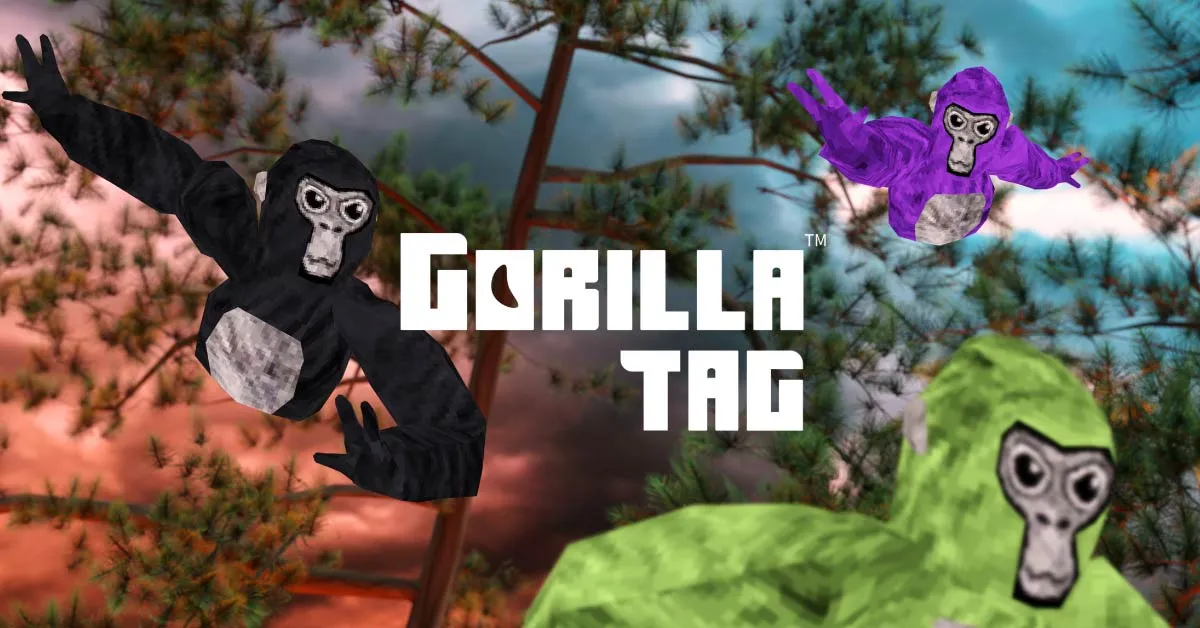
New Maps and Environmental Design Improvements
Map design plays a critical role in Gorilla Tag because movement mechanics interact directly with the environment. Over time, developers have expanded the game with additional areas that introduce new traversal possibilities.
Each map offers unique structures such as trees, walls, caves, or buildings.
Design philosophy behind maps
Developers focus on creating environments that encourage creative movement rather than linear gameplay.
Examples of movement-focused design
• Tall trees for vertical navigation
• Large walls for running routes
• Open spaces for high-speed chases
These environments challenge players to master different movement strategies.
Community Feedback Influencing Development Decisions
One of the most interesting aspects of Gorilla Tag’s development is how strongly community feedback influences updates.
Developers frequently listen to player suggestions regarding movement mechanics, map balance, and new features.
How feedback shapes updates
Community discussions often highlight areas where gameplay could be improved or expanded.
Examples of community-driven improvements
• Adjustments to movement physics
• Map design refinements
• Improved social features
This collaborative approach strengthens the relationship between developers and players.
Safety Measures and Moderation Improvements
As the Gorilla Tag player base expanded, maintaining a safe and welcoming community became increasingly important. Developers introduced moderation tools and reporting systems to address disruptive behavior.
These measures aim to ensure that players of all ages can enjoy the game.
Key moderation features
• Player reporting systems
• Community guidelines
• Improved moderation tools
Why moderation matters
A healthy community encourages long-term engagement and helps attract new players.
Safety measures play a crucial role in maintaining the game’s reputation.
The Future of Competitive Gorilla Tag
Looking ahead, many players believe Gorilla Tag could evolve into a structured competitive VR game with organized tournaments and official leagues.
The movement system already supports high-skill gameplay, making it ideal for competitive events.
Potential competitive developments
• Official tournament systems
• Ranked matchmaking modes
• Competitive event sponsorships
If these features are implemented, Gorilla Tag could become one of the first widely recognized competitive VR movement games.
Challenges for competitive growth
Balancing accessibility for casual players while supporting competitive gameplay will remain an important consideration for developers.
The Expanding Role of Social VR Experiences
Beyond competition, Gorilla Tag also represents a growing trend in social VR gaming. Many players join the game primarily to interact with friends, explore maps, and share fun moments.
This social element is one of the reasons the game continues to thrive.
Social gameplay features
• Voice chat interactions
• Cooperative exploration
• Casual multiplayer matches
Why social VR matters
Games that encourage social interaction often maintain strong communities over time.
Gorilla Tag’s design naturally supports these experiences.
Conclusion
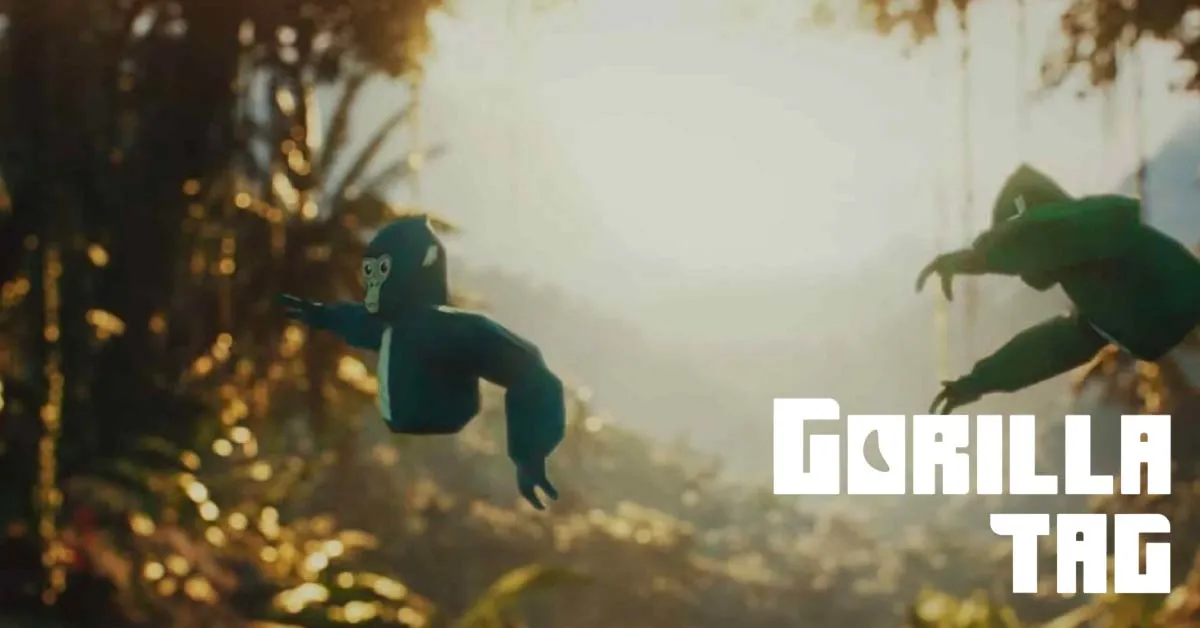
The ongoing evolution of Gorilla Tag demonstrates how a simple idea can grow into a thriving VR phenomenon. What began as a small experimental locomotion project has expanded into a global multiplayer community supported by regular updates, seasonal events, content creators, and emerging competitive play. As developers continue refining the game and introducing new features, Gorilla Tag is likely to remain one of the most influential social VR titles. Its unique movement mechanics, community-driven culture, and expanding ecosystem ensure that the game will continue evolving alongside the broader VR industry.